

Ancient Egyptians were already crafting glass-based enamels as early as 4000 BC to showcase status and tribal identity. You probably view these pins as simple accessories, but you are actually wearing a legacy of military valor and labor solidarity on your lapel.
This guide explores the history of enamel pins to help you master the nuances between tactile soft enamel and jewelry grade finishes for your own collection.
- The History of Enamel Pins Through Modern Service Icons
- Pop Culture Evolution in Your Collection
- Ancient Origins and the Industrial Shift
- Mastering the Tech Behind the Shine
The History of Enamel Pins Through Modern Service Icons
Enamel pins originated in Ancient Egypt using cloisonné techniques before evolving into military rank insignia and 19th-century labor union badges. Today, manufacturing splits between textured soft enamel and polished hard enamel finishes for collectors.
Honoring the Brave with the Emt Firefighter Pin
Ancient metallic service badges paved the way for modern emergency medical pins. These small icons represent professional pride and duty. They bridge centuries of tradition with today's frontline heroes.
This six-pointed star represents the EMS system stages: detection, reporting, response, on-scene care, care in transit, and transfer.
The Star of Life and firefighter motifs carry immense symbolic value. They allow for immediate identification during life-or-death crises. Wearing an Emt Firefighter Pin signals unwavering commitment to public safety.

These pins foster deep community among first responders. They act as modern talismans of courage. Each badge carries a heavy weight of history.
Mapping Heritage with the USA Map Pin
Souvenir pins exploded after the 1893 World's Columbian Exposition. They quickly became staples of Americana. Travelers sought physical proof of their journeys across the states.
Geographical pins represent personal history and travel identity. They often feature:
- State-specific landmarks
- National park commemorations
- Road trip milestones
- Heritage site emblems
Modern fashion favors minimalist map designs. These pins serve as wearable resumes of exploration. They ground digital nomads in physical places.
Pop Culture Evolution in Your Collection
While map pins track our physical movements, the next wave of design tracks our cultural obsessions and cinematic history.
Spooky Nostalgia with the Good Guys Pin
Horror cinema from the 1980s has sparked a massive wave of cult classic accessories. Fans now use pins to broadcast their niche interests to the world. It is basically a secret handshake for dedicated cinephiles.
We have seen a huge shift from generic movie merch to independent, artist-driven collectibles. These creators bring a fresh perspective to icons like the Good Guys Pin. It is all about that unique, handmade vibe now.
"The transition from mass-market toys to high-quality enamel art has allowed horror fans to wear their dark nostalgia with sophisticated style and durability."
Emotional Expression and the Inside Out 2 Pin
Modern pins have evolved into a wearable canvas for mental health awareness. People are using specific characters to signal their internal states to others. It makes being open and vulnerable look seriously fashionable.
Animated characters have successfully transitioned into symbols of our personal moods. This "mood pin" phenomenon is taking over denim jackets everywhere. You might even grab a Let Karma Handle It Pin to show exactly where your head is at today.

The psychology of pin trading is fueled by scarcity and a deep need for social belonging. Collectors are building real communities through these shared emotional symbols. History of enamel pins: from badges to fashion statements proves that what we wear defines who we are.
Ancient Origins and the Industrial Shift
Beyond modern character pins, the very foundation of this craft lies in the fires of ancient civilizations and industrial breakthroughs.
- Ancient Egypt: Mastery of glass and heat techniques for elite jewelry.
- Bronze Age: Transition to functional bronze fasteners for tunics.
- 19th Century: Die-striking democratizes pins for social movements.
From Egyptian Filigree to Bronze Age Fasteners
Techniques started in ancient Egypt and China. Artisans used ground glass and intense heat. They created vibrant, high-end jewelry for the elite.
Functional clothing fasteners later became decorative jewelry. Bronze Age brooches were necessary for securing tunics. Eventually, pure aesthetics took over the design.
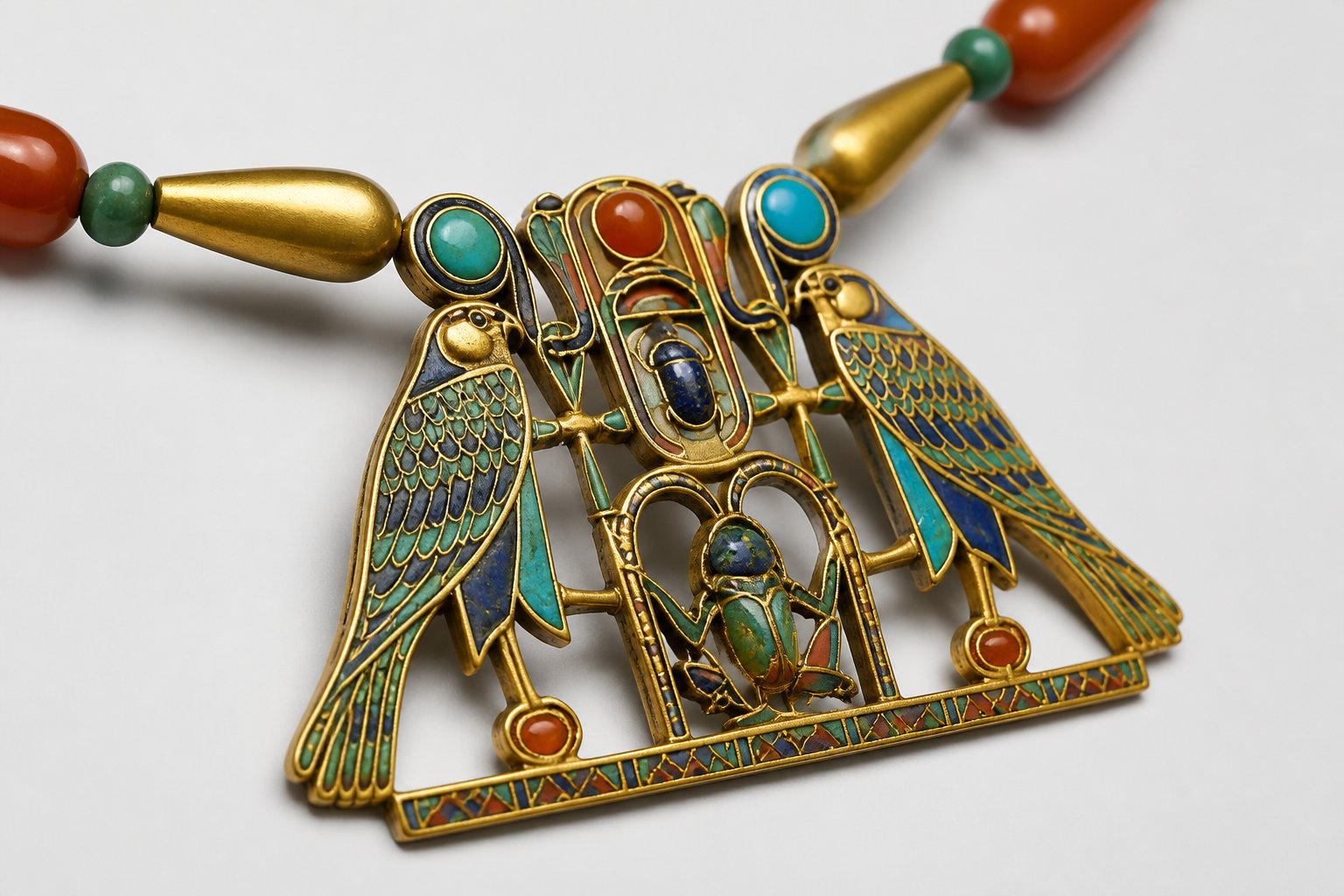
These ancient pieces are incredibly durable. Many survive in museums today. They prove the long-term longevity of enamel.
Mass Production during the Industrial Revolution
Die-striking techniques finally made pins accessible. The 19th century effectively democratized fashion. Machines quickly replaced slow hand-crafting methods.
Pins fueled labor union solidarity and political movements. Workers wore them to show their allegiance. They became powerful tools for social change.
Want to mix history with a vibe? Grab this Mean Girls meets Marx masterpiece right now.
Mastering the Tech Behind the Shine
Understanding the history is one thing, but the real choice for collectors today comes down to the manufacturing method used.
The Tactile Feel of Soft Enamel Finishes
Soft enamel uses recessed paint and metal ridges. This creates a distinct 3D texture. It is the most common production style.
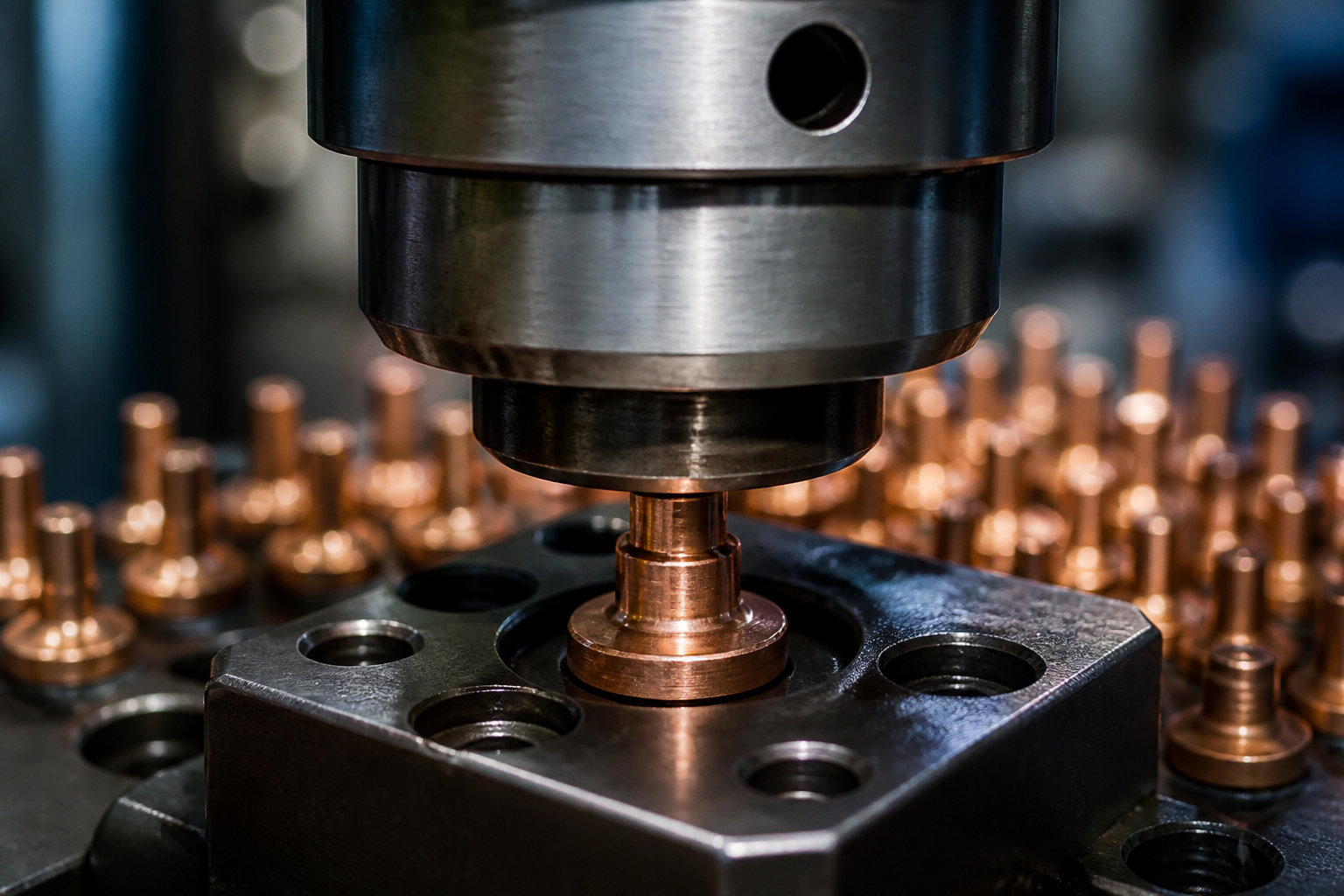
Punk subcultures love this finish. Its gritty feel suits the aesthetic perfectly.

Artists swear by this.
Soft enamel remains the gold standard for independent artists seeking a tactile, traditional look for their custom designs.
Hard Enamel and the Jewelry Grade Standard
Polishing creates a flat surface. Multiple layers are added. The result is a high-end, jewelry-like finish.
| Feature | Soft Enamel | Hard Enamel |
|---|---|---|
| Surface Texture | Recessed | Flat |
| Durability | High | Ultra-High |
| Detail Clarity | High | Medium |
| Production Cost | Lower | Higher |
Hard enamel offers longevity. It resists scratches better than soft alternatives.
From ancient Egyptian cloisonné to industrial labor badges, the history of enamel pins proves these icons are timeless. Whether you choose textured soft enamel or polished hard enamel, your pins transform outfits into personal manifestos. Grab your next favorite piece now to wear your story with pride. Small pins, massive impact.
FAQ
What are the historical roots of enamel pins?
Enamel craftsmanship dates back thousands of years to Ancient Egypt. Artisans used ground glass and intense heat to create vibrant jewelry for pharaohs and the elite. This ancient cloisonné technique, using metal wires to separate colors, laid the foundation for the modern accessories you wear today.
How do soft and hard enamel finishes differ for my collection?
Soft enamel features recessed paint and raised metal ridges, creating a distinct 3D texture that feels authentic and tactile. Hard enamel is polished down to a smooth, flat surface for a high-end, jewelry-grade look. While soft enamel offers a traditional DIY vibe, hard enamel provides superior scratch resistance and long-term durability.
What is the symbolic meaning behind emergency service pins?
Pins like the Emt Firefighter Pin represent professional pride and a heavy weight of history. The Star of Life and firefighter motifs serve as vital icons for immediate identification during crises. These badges act as modern talismans of courage, honoring the "Save or Perish" ethics of first responders.
Why did souvenir pins become such a staple of Americana?
The trend exploded at the 1893 World's Columbian Exposition in Chicago, where travelers sought physical proof of their journeys. From elongated coins to commemorative medals, these items evolved into the geographical pins we use today. They serve as a wearable resume of your personal exploration and heritage.
How can I protect my pins from damage and wear?
Choosing the right finish is your first line of defense. Hard enamel and epoxy resin pins offer the best longevity and resistance to scratches. For extra protection, epoxy resin adds a clear, reflective dome that guards your design while making complex details pop with incredible clarity.
What are the best ways to display or gift my enamel pins?
Presentation is everything when turning a pin into a statement piece. You can choose from custom velvet, wood, or paper boxes to elevate your collection or present a gift. For wearing them, classic butterfly clutches are secure and economical, while magnetic systems allow you to rock your style without piercing your favorite fabrics.
0 comments