

Did you know that the weight and shine of your favorite accessory depend entirely on the base metal used during production? Choosing between iron, zinc alloy, and copper determines whether your design feels like a premium heirloom or a lightweight everyday piece.
It is easy to get confused by technical terms when you just want a high-quality finish. We explore exactly what are enamel pins made of to help you pick the perfect texture and durability for your next collection.
- What Are Enamel Pins Made Of and Why It Matters
- Soft Enamel Pins Bring Bold Texture to Your Gear
- Hard Enamel Pins Deliver a Smooth Premium Finish
- 3 Tips to Choose the Right Pin Style
What Are Enamel Pins Made Of and Why It Matters
Enamel pins utilize iron, zinc alloy, or copper bases, each impacting weight and detail. Hard enamel offers a flush, polished finish, while soft enamel features textured, recessed paint within raised metal borders.
Budget-friendly and common.
Best for complex shapes.
High-end jewelry quality.
Lightweight for large pins.
The Metal Foundation from Iron to Zinc Alloy
Iron serves budget needs perfectly. Copper remains the top choice for high-end jewelry pins. Zinc alloy provides the versatility required for complex, fluid shapes. Metal choice dictates the final weight; heavier metals provide a premium feel, while lighter aluminum suits large accessories.
Steel resists corrosion better over long periods, offering superior durability. Understanding the difference between hard and soft enamel pins starts with these foundations. Ready to find your perfect match?
Stamping vs Die Casting Manufacturing Techniques
Stamping hits iron hard with steel molds, while casting fills molds with molten alloy. This choice affects the design's sharp edges and intricate curves. Metal outlines act as physical barriers, keeping different enamel colors from mixing during filling.
High-pressure molds ensure precision, ensuring every tiny detail remains crisp and clear for your final product. Choosing the right technique is the secret to a professional finish.
Soft Enamel Pins Bring Bold Texture to Your Gear
While the metal base sets the stage, the enamel application creates the distinct tactile experience found in soft enamel designs.
Identifying the Iconic Raised Metal Borders
The feel of recessed paint is unmistakable. Enamel sits below the metal lines, letting you feel every ridge with your thumb.
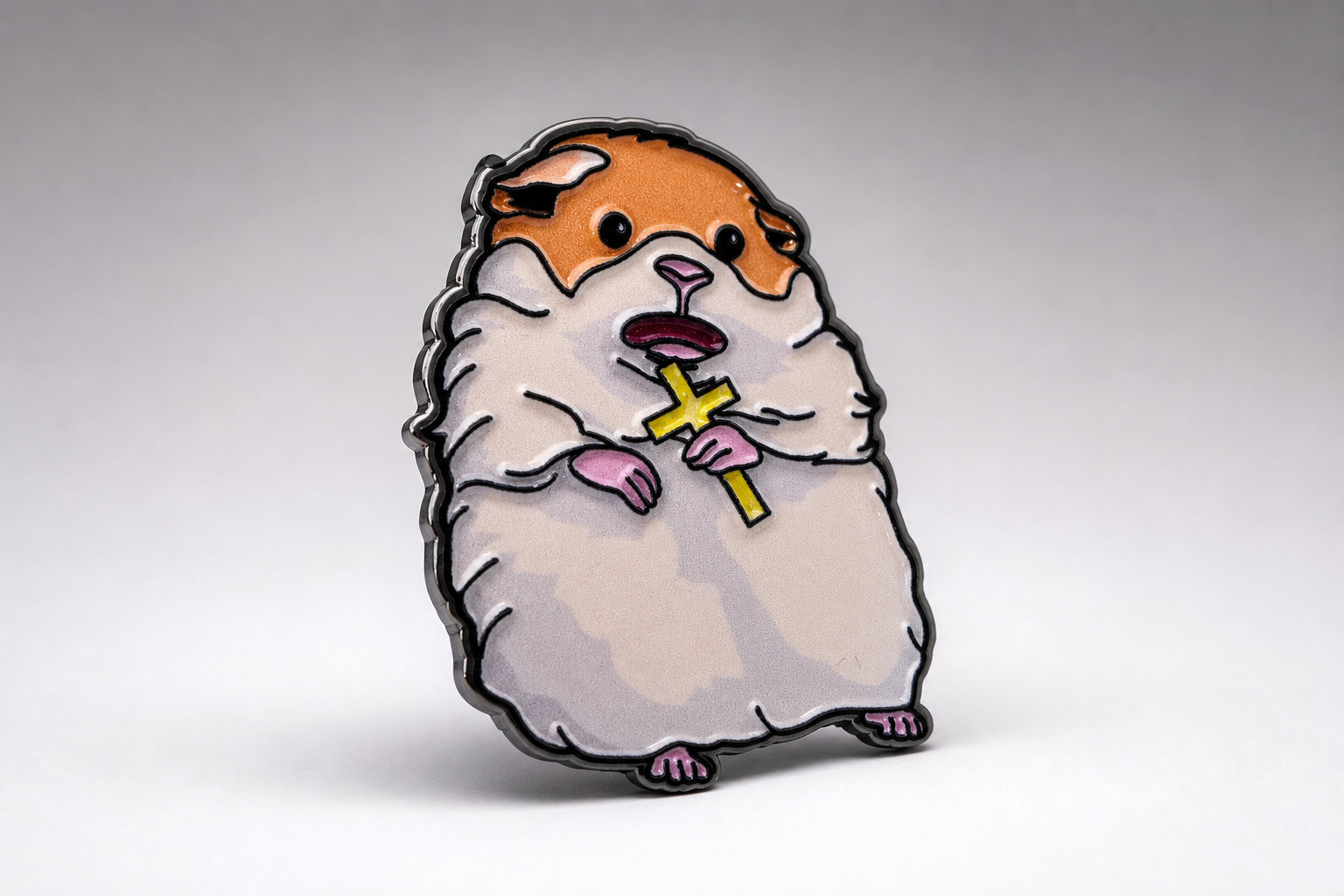
One layer of paint leaves metal borders exposed, ensuring the surface stays textured and raw. Direct lighting creates shadows against these raised edges, adding a sharp 3D visual effect.
Why Textured Designs Suit Funny Animal Pins
Texture enhances the sassiness of the Giddy Up Slt Frog Pin and the frantic energy of the Screaming Hamster Pin.

$9.99

$9.99
This tactile style makes quirky quotes pop on the Notice Enamel Pin. Physical borders define letters clearly for a bold, readable finish.
The Low-Temperature Curing and Plating Variety
Liquid enamel fills gaps and hardens slowly. This air-drying process preserves vibrant pigments, keeping colors punchy and bright.
- Black nickel for a modern look
- Classic Gold for prestige
- Dyed metal for colorful borders
Soft enamel is cost-effective and perfect for trading. Understanding the difference between hard and soft enamel pins helps you build massive collections affordably.
Hard Enamel Pins Deliver a Smooth Premium Finish
If you prefer a sleek, jewelry-like appearance over texture, hard enamel offers a completely different manufacturing philosophy.
The Multi-Stage Polishing for a Flush Surface
Production starts by overfilling every metal cavity with liquid enamel. The artisan adds enough pigment to completely cover the raised metal lines. It looks messy and uneven before the next stage.
Industrial stones then grind the surface flat. This intense polishing creates a glass-like finish. The result is a perfectly level plane.
In fact, this differs greatly from soft enamel. You won't find recessed areas here. The surface feels entirely smooth to the touch.
High-Heat Durability for Cinematic Collectibles
Hard enamel pins are cured at such high temperatures that the colors become part of the metal structure itself, ensuring they never fade.
High-heat curing is vital for high-end collectibles. It prevents color fading over decades of display. Professional looks demand this long-term stability.
Collectors often choose the Good Guys enamel pin for its lasting quality. These pieces stay vibrant forever. You get a premium, museum-grade accessory.
Color Limitations and the Cloisonne Legacy
Polishing can sometimes mute bright colors. The extreme heat and grinding might slightly shift your original Pantone shade. It is a trade-off for that shine.
An ancient technique using crushed glass and metal wires, the direct ancestor of modern hard enamel pins.
Modern hard enamel is the direct descendant of this legacy. Ancient artists used crushed glass in similar ways. Today, we use resin for better durability.
Intense heat limits your plating options. Finishes are restricted to gold, silver, or copper. Dyed metals simply cannot survive the kiln.
3 Tips to Choose the Right Pin Style
Choosing between these styles depends on your design needs and how you plan to display your collection.
Balancing Design Complexity with Metal Outlines
| Feature | Soft | Hard |
|---|---|---|
| Surface | Recessed | Flush |
| Durability | High | Ultra |
| Detail | High | Mid |
Understanding the difference between hard and soft enamel pins starts with the finish. Soft enamel leaves tactile, raised edges.
Pick zinc alloy for complex cutouts. It handles fine lines better than other materials, ensuring your design stays sharp.
Borders must define shapes clearly. This prevents color bleeding, especially in geographic designs like map pins.

Matching the Finish to Your Personal Collection Goals
Soft enamel is a budget hero for denim. The unique texture adds authentic character to your daily outfits.
Hard enamel suits serious investments. These pieces hold value and survive heavy trading at busy conventions.
Choose rubber clutches for comfort. Use deluxe magnets for suits to keep your expensive fabrics hole-free.
Choose textured soft enamel for bold, tactile details or polished hard enamel for a premium, glass-like finish. Knowing what are enamel pins made of ensures your collection stays vibrant and durable. Grab your favorite style now to elevate your gear with high-quality, lasting craftsmanship. Make your mark with the perfect pin.
FAQ
What is the main difference between hard and soft enamel pins?
The biggest difference lies in the surface texture and finishing process. Soft enamel pins feature recessed paint and raised metal borders, creating a distinct 3D tactile feel. Hard enamel pins are polished down until the enamel and metal are perfectly flush, resulting in a smooth, jewelry-like finish.
While soft enamel offers more plating variety and a textured look, hard enamel provides a premium, flat surface that is exceptionally durable and scratch-resistant. Your choice depends on whether you want a bold, textured aesthetic or a sleek, high-end collectible.
Are soft enamel pins considered high quality?
Absolutely! Soft enamel pins are the industry standard for detailed designs and vibrant, bold colors. They are incredibly popular for their ability to capture fine lines and offer a wide range of metal plating options, including dyed black or rainbow finishes.
These pins are highly durable for everyday wear on denim jackets or backpacks. They provide a classic "pin" look with physical ridges that many collectors prefer for their artistic depth and cost-effective price point.
Which enamel style lasts longer over time?
Hard enamel pins generally offer superior long-term durability. Because they are cured at high temperatures and polished to a hard, flat surface, they resist wear and tear better than other styles. This makes them the top choice for commemorative items or pins intended for heavy handling.
Soft enamel pins are also robust, but their raised metal edges are more exposed to potential scratches. If you want a piece that maintains its pristine, glass-like shine for decades without fading, hard enamel is your best investment.
Can I use gradients or photographic details in my pin design?
Traditional enamel processes work best with solid colors separated by metal lines. Gradients and tiny photographic details are difficult to achieve with liquid enamel. For these complex visuals, offset printing or adding a UV print layer over the enamel is the professional way to go.
To get the best results, simplify your artwork into clear, bold shapes. Ensure your metal lines are at least 0.2mm thick to keep colors from bleeding and use Pantone references to guarantee your colors stay true to your vision.
How do I keep my enamel pins looking brand new?
Maintenance is simple and fast! For hard enamel pins, a quick wipe with a soft microfiber cloth or a non-abrasive polishing cream will remove dust and tarnish. Always avoid harsh chemicals or citrus-based cleaners, as these can damage the delicate enamel finish.
For soft enamel pins, be gentle to avoid scratching the raised metal borders. Store your collection in a dry environment and handle them with clean hands to prevent oils from dulling the metal plating over time.
0 comments