

Gli antichi Egizi realizzavano già smalti a base di vetro fin dal 4000 a.C. per manifestare status e identità tribale. Probabilmente consideri questi distintivi semplici accessori, ma in realtà indossi sulla tua giacca una tradizione di valore militare e solidarietà dei lavoratori.
Questa guida esplora la storia dei distintivi smaltati per aiutarti a padroneggiare le sfumature tra lo smalto morbido tattile e le finiture di qualità orafa per la tua collezione.
- La storia dei distintivi smaltati attraverso i moderni simboli di servizio
- L'evoluzione della cultura pop nella tua collezione
- Le origini antiche e la svolta industriale
- Padroneggiare la tecnologia alla base della brillantezza
La storia dei distintivi smaltati attraverso i moderni simboli di servizio
I distintivi smaltati ebbero origine nell'antico Egitto con le tecniche di cloisonné, prima di evolversi in insegne di grado militare e distintivi dei sindacati dei lavoratori del XIX secolo. Oggi la produzione si divide tra finiture in smalto morbido strutturato e smalto duro lucido per collezionisti.
Onorare i coraggiosi con il distintivo da vigile del fuoco EMT
Gli antichi distintivi metallici di servizio hanno aperto la strada ai moderni distintivi medici d'emergenza. Questi piccoli simboli rappresentano l'orgoglio e il senso del dovere professionale. Collegano secoli di tradizione agli eroi in prima linea di oggi.
Questa stella a sei punte rappresenta le fasi del sistema EMS: rilevamento, segnalazione, risposta, assistenza sul posto, assistenza durante il trasporto e trasferimento.
La Stella della Vita e i motivi dei vigili del fuoco hanno un immenso valore simbolico. Consentono una identificazione immediata durante le emergenze tra la vita e la morte. Indossare un distintivo da vigile del fuoco EMT segnala un impegno incrollabile per la sicurezza pubblica.

Questi distintivi rafforzano il senso di comunità tra i soccorritori. Fungono da moderni talismani di coraggio. Ogni distintivo porta con sé un grande peso storico.
Raccontare il patrimonio storico con il distintivo a forma di mappa degli Stati Uniti
I distintivi souvenir conobbero una grande diffusione dopo l'Esposizione Colombiana Universale del 1893. Divennero rapidamente elementi distintivi dell'Americana. I viaggiatori cercavano una prova tangibile dei loro viaggi attraverso gli Stati Uniti.
I distintivi geografici rappresentano la storia personale e l'identità legata ai viaggi. Spesso presentano:
- Luoghi simbolo specifici di ogni Stato
- Commemorazioni dei parchi nazionali
- Traguardi dei viaggi su strada
- Emblemi dei siti del patrimonio culturale
La moda moderna predilige design minimalisti ispirati alle mappe. Queste spille fungono da curriculum indossabili delle esplorazioni. Ancorano i nomadi digitali ai luoghi fisici.
L'evoluzione della cultura pop nella tua collezione
Mentre le spille delle mappe tracciano i nostri spostamenti fisici, la prossima ondata di design traccia le nostre ossessioni culturali e la storia del cinema.
Nostalgia inquietante con la spilla Good Guys
Il cinema horror degli anni '80 ha dato il via a un'enorme ondata di accessori cult. Ora i fan usano le spille per comunicare al mondo i loro interessi di nicchia. È praticamente una stretta di mano segreta per cinefili appassionati.
Abbiamo assistito a un grande passaggio dal merchandising cinematografico generico ai prodotti da collezione indipendenti creati dagli artisti. Questi creatori offrono una prospettiva nuova su icone come la spilla Good Guys. Oggi conta soprattutto quella vibrazione unica e artigianale.
"Il passaggio dai giocattoli destinati al mercato di massa all'arte smaltata di alta qualità ha permesso agli appassionati dell'horror di indossare la loro nostalgia oscura con stile sofisticato e durevole."
Espressione emotiva e la spilla di Inside Out 2
Le spille moderne si sono evolute in una tela indossabile per sensibilizzare sulla salute mentale. Le persone usano personaggi specifici per comunicare agli altri il proprio stato interiore. Essere aperti e vulnerabili appare così decisamente alla moda.
I personaggi animati si sono trasformati con successo in simboli dei nostri stati d'animo. Questo fenomeno delle "spille dell'umore" sta conquistando ovunque le giacche di jeans. Potresti persino prendere una spilla Let Karma Handle It per mostrare esattamente come ti senti oggi.

La psicologia dello scambio di spille è alimentata dalla scarsità e da un profondo bisogno di appartenenza sociale. I collezionisti stanno creando vere comunità attraverso questi simboli emotivi condivisi. La storia delle spille smaltate: dai distintivi alle dichiarazioni di moda dimostra che ciò che indossiamo definisce chi siamo.
Le origini antiche e la svolta industriale
Oltre alle moderne spille raffiguranti personaggi, le fondamenta stesse di quest'arte affondano nei fuochi delle civiltà antiche e nelle svolte industriali.
- Antico Egitto: Padronanza delle tecniche del vetro e del calore per i gioielli d'élite.
- Età del bronzo: Passaggio a chiusure in bronzo funzionali per le tuniche.
- XIX secolo: la coniazione democratizza le spille per i movimenti sociali.
Dalla filigrana egizia ai fermagli dell'Età del bronzo
Le tecniche ebbero origine nell'antico Egitto e in Cina. Gli artigiani utilizzavano vetro macinato e calore intenso. Creavano gioielli vivaci e di alta gamma per l'élite.
I fermagli funzionali per abiti divennero in seguito gioielli decorativi. Le fibule dell'Età del bronzo erano necessarie per chiudere le tuniche. Alla fine, l'estetica pura prese il sopravvento nel design.
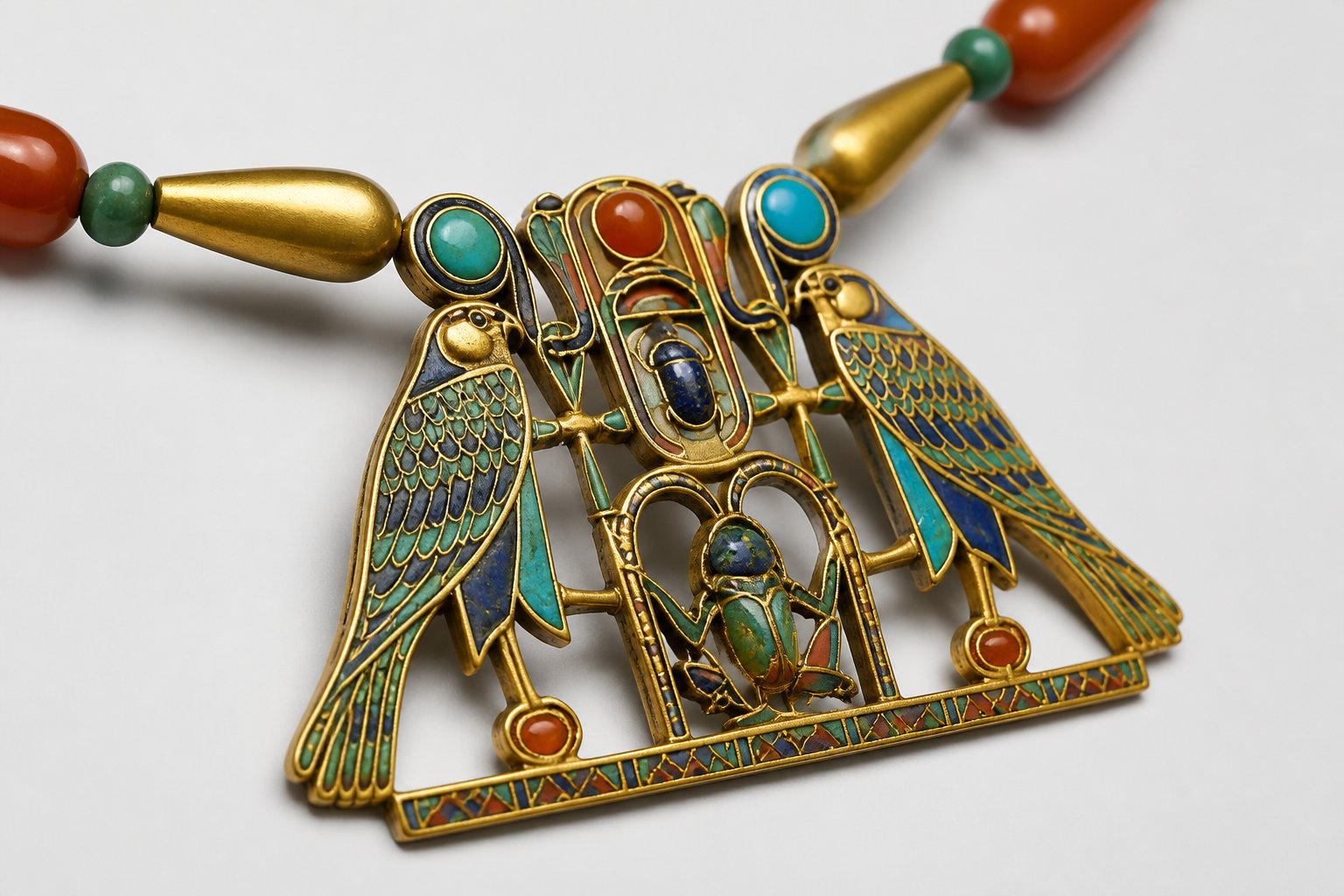
Questi pezzi antichi sono incredibilmente resistenti. Molti sono ancora oggi conservati nei musei. Dimostrano la lunga durata dello smalto.
La produzione di massa durante la Rivoluzione industriale
Le tecniche di coniazione resero finalmente le spille accessibili. Il XIX secolo democratizzò di fatto la moda. Le macchine sostituirono rapidamente i lenti metodi di lavorazione artigianale.
Le spille alimentarono la solidarietà dei sindacati e i movimenti politici. I lavoratori le indossavano per mostrare la propria fedeltà. Divennero potenti strumenti di cambiamento sociale.
Vuoi unire la storia a un certo stile? Acquista subito questo capolavoro che unisce Mean Girls e Marx.
Padroneggiare la tecnologia alla base della brillantezza
Conoscere la storia è una cosa, ma la vera scelta per i collezionisti di oggi dipende dal metodo di produzione utilizzato.
La sensazione tattile delle finiture in smalto morbido
Lo smalto morbido utilizza vernice incassata e rilievi metallici. Questo crea una caratteristica texture tridimensionale. È lo stile di produzione più comune.
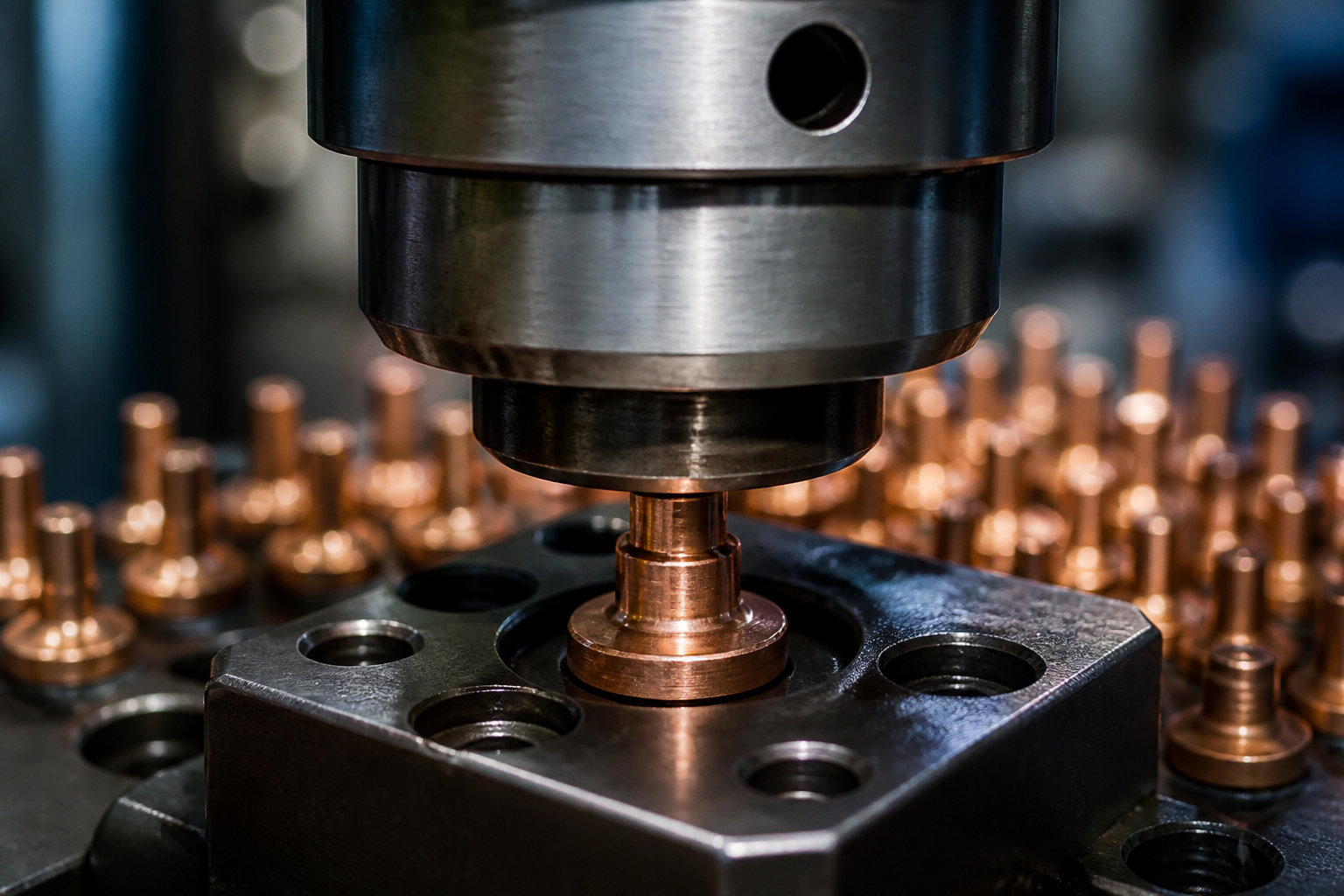
Le sottoculture punk adorano questa finitura. La sua consistenza ruvida si adatta perfettamente all'estetica.

Gli artisti lo adorano.
Lo smalto morbido rimane lo standard di riferimento per gli artisti indipendenti che desiderano un aspetto tattile e tradizionale per i loro design personalizzati.
Lo smalto duro e lo standard di qualità dei gioielli
La lucidatura crea una superficie piatta. Vengono aggiunti più strati. Il risultato è una finitura di alta gamma, simile a quella dei gioielli.
| Caratteristica | Smalto morbido | Smalto duro |
|---|---|---|
| Texture della superficie | Incassata | Piatta |
| Durata | Alto | Ultraelevata |
| Nitidezza dei dettagli | Alto | Medio |
| Costo di produzione | Minore | Maggiore |
Lo smalto duro offre una lunga durata. Resiste meglio ai graffi rispetto alle alternative morbide.
Dal cloisonné dell'antico Egitto ai distintivi dei lavoratori industriali, la storia delle spille smaltate dimostra che questi simboli sono senza tempo. Che tu scelga uno smalto morbido strutturato o uno smalto duro lucidato, le tue spille trasformano gli outfit in manifesti personali. Prendi ora il tuo prossimo pezzo preferito e indossa con orgoglio la tua storia. Spille piccole, impatto enorme.
Domande frequenti
Quali sono le origini storiche delle spille smaltate?
La lavorazione dello smalto risale a migliaia di anni fa, nell'Antico Egitto. Gli artigiani usavano vetro macinato e calore intenso per creare gioielli vivaci per faraoni ed élite. Questa antica tecnica del cloisonné, che utilizza fili metallici per separare i colori, ha gettato le basi per gli accessori moderni che indossi oggi.
Qual è la differenza tra le finiture in smalto morbido e duro per la mia collezione?
Lo smalto morbido presenta vernice incassata e rilievi metallici in superficie, creando una distinta texture 3D autentica e tattile. Lo smalto duro viene lucidato fino a ottenere una superficie liscia e piatta, dall'aspetto pregiato, simile a quello della gioielleria. Mentre lo smalto morbido offre un'atmosfera tradizionale fai da te, lo smalto duro garantisce una resistenza ai graffi e una durata superiori nel tempo.
Qual è il significato simbolico delle spille dei servizi di emergenza?
Spille come la Emt Firefighter Pin rappresentano l'orgoglio professionale e il grande peso della storia. La Stella della Vita e i motivi dei vigili del fuoco sono simboli essenziali per l'identificazione immediata durante le emergenze. Questi distintivi fungono da moderni talismani del coraggio e rendono omaggio all'etica del "Salvare o perire" dei soccorritori.
Perché le spille ricordo sono diventate un elemento così caratteristico dell'America?
La tendenza esplose all'Esposizione Colombiana del 1893 a Chicago, dove i viaggiatori cercavano una prova concreta dei loro viaggi. Dalle monete allungate alle medaglie commemorative, questi oggetti si sono evoluti nelle spille geografiche che usiamo oggi. Sono un curriculum indossabile delle tue esplorazioni personali e delle tue origini.
Come posso proteggere le mie spille da danni e usura?
Scegliere la finitura giusta è la tua prima linea di difesa. Le spille in smalto duro e resina epossidica offrono la massima durata e resistenza ai graffi. Per una protezione extra, la resina epossidica aggiunge una cupola trasparente e riflettente che protegge il tuo design, facendo risaltare i dettagli complessi con una nitidezza incredibile.
Quali sono i modi migliori per esporre o regalare le mie spille smaltate?
La presentazione è tutto quando trasformi una spilla in un pezzo d'effetto. Puoi scegliere tra scatole personalizzate in velluto, legno o carta per valorizzare la tua collezione o presentare un regalo. Per indossarle, le classiche chiusure a farfalla sono sicure ed economiche, mentre i sistemi magnetici ti permettono di esprimere il tuo stile senza bucare i tuoi tessuti preferiti.
0 commenti